
What is Buteyko?
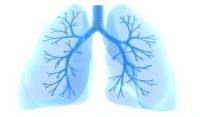 Buteyko is a breathing technique used specifically by people who suffer with Asthma and other Respiratory problems. The technique got its unique name from its inventor, a Ukraine doctor called Konstantin Pavlovich Buteyko.
Buteyko has been proven to be affective and helped many people reduce other forms of medication.
find out more by contacting a specialist >>
|
|
Typical Breathing Pattern of Sick People
|
|
If we consider automatic breathing patterns in sick people with various health problems, virtually all health conditions are characterized by ineffective breathing. Generally, many people know that people with asthma, COPD, panic/anxiety and cardiovascular diseases breathe too fast and inhale too much air even at rest while sitting. |
|
Usual Breathing Patterns in Sick People
|
|
If we consider automatic breathing patterns in sick people with various health problems, virtually all health conditions are characterized by ineffective breathing. Generally, many people know that people with asthma, COPD, panic/anxiety and cardiovascular diseases breathe too fast and inhale too much air even at rest while sitting. |
|
In super-health we require only 2 hours of perfect sleep
|
|
It is known that modern people sleep, on average, about 7.5 hours per day. Studies also found that length of sleep varies from person to person and generally gets shorter with aging: infants can sleep up to 12-18 hours per day, young children for 9-12 hours, teenagers about |
|
Severe Cough Means Reduced Oxygen Content In Tissues
|
|
Clinical reflections of many hundred Russian medical doctors propose that reoccuring issues with cough occur only in individuals with lower oxygen content in cells and organs. Consider these important scientific findings in more detail. We can take first step with popular knowledge about the mechanism that creates severe |
|
7 main (unknown) health-destructive life style factors
|
|
Appearance and development of chronic diseases and symptoms, including fatigue, poor quality of sleep, mucus production, blocked nose, loss of vitality, anxiety, and confusion, are based on lowered body oxygenation. Cancer and heart disease, the main killers of modern people, are primarily based on tissue hypoxia (low cellular |
|
How Cancers Leads to Poor Sleep (with Solutions)
|
|
Cancer patients suffer from insomnia and problems with sleep. This link is well documented in recent medical stuides (Berger et al, 2009; Hearson-Sawatzky, 2008; Lee, 2004; Roscoe et al, 2007; Sateia et al, 2008). Progression of cancer further impairs sleeping problems. Cancer sleep and cancer insomnia can become |
|
Abnormal breathing pattern causes asthma and attacks
|
|
Here is a summary of five published studies related to breathing rates (or minute ventilation expressed in liters of air per one minute) in asthmatics at rest (when they do not experience problems with asthma). *One row corresponds to one medical study/publicationCondition Ventilation Number of patients ReferencesNorm |
|
Prevent heart attacks using advanced breath control
|
|
Breathing and the heartOur breathing pattern has profound effects on the heart. In fact, about a century ago western doctors developed and studied the science which was called "cardiorespiratory physiology". Why? Because of the close connections between cardiovascular and respiratory systems. Yale University Professor Yandell Henderson (1873-1944) was |
|
Exercise is joy only when body oxygenated at rest
|
|
Most modern people can testify that physical exercise is not a pleasant experience. Over 200 MDs, practicing the Buteyko self-oxygenation breathing method, and other health professionals performed many millions of simple body oxygenation tests (stress-free variation of the breath holding time test done after usual exhalation and without |
|
Low body oxygenation is the main factor of poor fertility in males
|
|
Usually, various modern medical and alternative sources suggest that zinc, arginine and protein intakes are the main factors in fertility of males. However, body oxygenation plays even a more important role. Oxygen content in tissues can be found using a simple stress-free breath holding time test. (The person |
|
Health of cancer patients is predicted by stress-free breath holding time
|
|
Cellular hypoxia and cancer Dr. Otto Warburg, the Nobel Laureate, in his article "The Prime Cause and Prevention of Cancer" (1966) wrote, "Cancer, above all other diseases, has countless secondary causes. Almost anything can cause cancer. But, even for cancer, there is only one prime cause. The prime |
|
Cancer tumours grow during early morning hours
|
|
Hundreds of oncological studies proved that growth of malignant tumours primarily depends on tissue hypoxia, but oxygenation of the human body is easier to measure: after your usual exhalation, pinch the nose and hold the breath, but only until the first stress. This stress-free and easy test accurately |
|
Why modern people have poor posture
|
|
ObservationsBeing upright is and was the most natural body position. This was the norm during almost the entire history of humanity. Standing also was the norm in factories, plants, shops and offices up to the beginning of the 20th century. Most modern people prefer to sit. Moreover, we |
|
Why modern man gets little, if any, benefits from exercise
|
|
Breathing and oxygenation in healthy and sick peopleIf you observe modern exercising people, you will see that over 97% of them breathe through the mouth. Is this a problem? Breathing is about oxygenation of tissues. Hence, let us consider oxygenation and breathing in health and disease.Clinical evidence clearly |
|
Stress-free breath holding time predicts health of HIV/AIDS patients
|
|
Clinical evidence, as well as physiological studies, found that progression of the disease in HIV patients is manifested in reduced oxygenation of the body. Dozens of studies revealed such negative effects of hypoxia, as chronic fatigue, poor sleep, psychological disturbances, mouth breathing, inability to exercise, and sexual dysfunction. |
|



